
You optimise your training load. You track your recovery. You invest in your nutrition. So when the research points to antioxidants reducing oxidative stress from exercise, supplementing seems like a logical performance lever to pull.
But what if that investment was quietly working against your returns?
This is one of sport nutrition's most counterintuitive findings: in certain situations, high-dose antioxidant supplements can interfere with the very physiological adaptations your training is designed to produce. For athletes focused on long-term gains, understanding this trade-off isn't optional but rather strategic.
Exercise generates reactive oxygen species (ROS). In excessive amounts, ROS cause cellular damage. But at the levels produced during regular training, ROS function as critical signalling molecules. Thes are the biological triggers that tell your body to adapt and grow stronger.
This is hormesis in action: a controlled stressor driving a beneficial response. Specifically, ROS signals initiate mitochondrial biogenesis, boost your body's own antioxidant enzyme production, improve insulin sensitivity, and drive muscle remodelling. These are the fundamental physiological upgrades that separate a trained athlete from an untrained one.
Flood your system with high-dose antioxidant supplements, and you risk silencing those signals and potentially blunting the return on every training session.
Chronic supplementation with approximately 1,000 mg/day of vitamin C and/or 200–400 IU/day of vitamin E has been shown to reduce activation of key pathways involved in mitochondrial development and endogenous antioxidant defences.[1][2] A 2026 review published in Antioxidants framed this as a redox balance problem: the goal isn't zero oxidative stress, it's the right amount.[2]
This concern applies specifically to chronic, high-dose supplementation. Context matters: illness, extreme training loads, and specific recovery protocols are different conversations.
The scale of this issue is significant as vitamin C is taken by nearly 60% of athletes[3] many of whom may be unknowingly compromising their adaptation response.
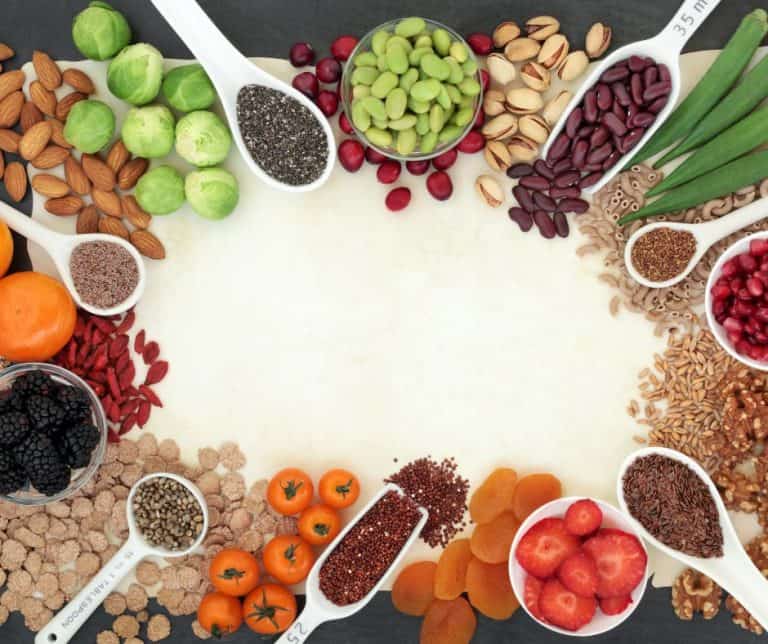
Dietary antioxidants sidestep this problem. Consumed through whole foods, antioxidants arrive in lower doses alongside other nutrients and phytochemicals that modulate their absorption making interference with training adaptation far less likely.[2]

Vitamin C from whole foods also plays a critical structural role beyond antioxidant activity — it is essential for collagen synthesis and tendon repair, and enhances iron absorption both critical for athlete health and energy production.
Beyond vitamin C and E, other whole-food antioxidant sources offer targeted recovery benefits: blueberries have demonstrated reductions in exercise-induced muscle soreness and inflammation, while tart cherries support both recovery and sleep quality without the risk of blunting adaptation.
🍊 Top 10 Vitamin C–Rich Foods
| Food | Vitamin C (per 100g) |
| Guava | ~228 mg |
| Capsicum (red) | ~171 mg |
| Blackcurrants | ~130 mg |
| Kiwifruit | ~93 mg |
| Broccoli | ~89 mg |
| Brussels sprouts | ~85 mg |
| Papaya (pawpaw) | ~62 mg |
| Strawberries | ~59 mg |
| Orange | ~53 mg |
| Spinach (raw) | ~28 mg |
Per 100g — FSANZ Australian Food Composition Database (AFCD)[5]
| Food | Vitamin E per 100g |
| Wheat germ oil | ~149 mg |
| Sunflower oil | ~41 mg |
| Sunflower seeds | ~35 mg |
| Safflower oil | ~34 mg |
| Almonds | ~26 mg |
| Canola oil | ~17 mg |
| Hazelnuts | ~15 mg |
| Olive oil | ~14 mg |
| Spinach (boiled) | ~3.7 mg |
| Egg (whole) | ~1.75 mg |
Per 100g — FSANZ Australian Food Composition Database (AFCD)[5]
Stand firm and demand a return on every investment including nutritional ones. Antioxidant-rich whole foods deliver recovery support, structural benefits, and immune resilience without compromising adaptation. Routine high-dose vitamin C or E supplements may do the opposite.
Build your antioxidant strategy around food first. Reserve supplementation for specific, evidence-based applications and let your training deliver the results it was designed to produce.