
Seasonal Affective Disorder (SAD), also known as seasonal depression or seasonal mood disorder, can have many impacts to your way of life, including your athletic performance. While SAD’s prevalence in Australia may differ from other regions, it is still important to explore the experiences of female athletes living with SAD. In this blog post, we will delve into the symptoms and unique challenges faced by female athletes in relation to SAD, and strategies to navigate through it.
It’s vital for female athletes to recognise the intersection between their mental health and athletic performance, and acknowledge that working on mental health can positively impact their overall performance and condition.
SAD is suggested to be linked to the circadian rhythms (‘body clock’) adjustments at certain times of the year and in response to variations in exposure to sunlight. This is thought to impact the hormones melatonin and serotonin, which affect sleep and mood.
Those most at risk are younger females, those with a family history of depression, bipolar disorder, or SAD. The risk increases the further away from the equator. Vitamin D deficiency is also linked to SAD and people with SAD may produce less Vitamin D. As Vitamin D plays a role in serotonin activity, Vitamin D deficiency and insufficiency have been associated with depressive symptoms.
SAD frequently co-occurs with other disorders including attention-deficit hyperactivity disorder (ADHD), addiction, and eating disorders.
Awareness of Seasonal Patterns
Athletes experiencing SAD may notice seasonal patterns to their moods.
Winter
Common observations over winter include:
Summer
In summer SAD may look more like sleep issues, not feeling hungry, losing weight, and feeling agitated and anxious.
By recognising these patterns and symptoms, athletes can better anticipate and prepare for the potential impact on training and performance.
Athletes and coaches may need to modify training schedules to accommodate SAD symptoms. This could mean adjusting the timing of workouts to coincide with optimal sunlight exposure in the middle of the day, incorporating more indoor training during the darker months, or allowing for flexibility in training intensity to accommodate fluctuations in mood and energy levels.
Communication
Openly communicate with coaches, supporters, friends and family about your experiences with SAD. By sharing your challenges and seeking understanding, you can foster a supportive environment that promotes positive mental health and helps alleviate the burden of SAD symptoms.
Seek Out a Mental Health Professional
Support from a mental health professional who specialises in sports psychology can be incredibly valuable. These professionals can provide tailored strategies to manage SAD symptoms, including cognitive-behavioural techniques, mindfulness practices and stress management tools.
In some cases your doctor may recommend light therapy.
Sunlight Exposure
Spend time outdoors during daylight hours, as sunlight exposure has a positive impact on vitamin D levels, sleep, mood and energy levels. Including outdoor activities, such as training sessions, walks and other outdoor hobbies, can help combat the effects of SAD.
Rest and Recovery
Prioritise sufficient sleep and establish consistent sleep routines to support your mental health and physical wellbeing.
Stress Reduction
Implementing stress reduction techniques, such as meditation, deep breathing exercises, or taking time with hobbies and people that bring joy, can help to alleviate SAD symptoms and promote overall mental wellbeing.
Vitamin D
We recommend athletes who suffer from SAD check their vitamin D levels every 6 months. Maintaining regular sunlight exposure and intake of vitamin D rich foods is essential to the prevention of deficiency. In many cases vitamin D supplementation is required.
Managing Seasonal Affective Disorder requires a comprehensive approach that integrates mental health and performance considerations. By recognising the unique challenges you face and implementing strategies such as adjusting training schedules, tapping into support networks and prioritising self-care, you can affectively navigate SAD while maintaining fitness and performance.
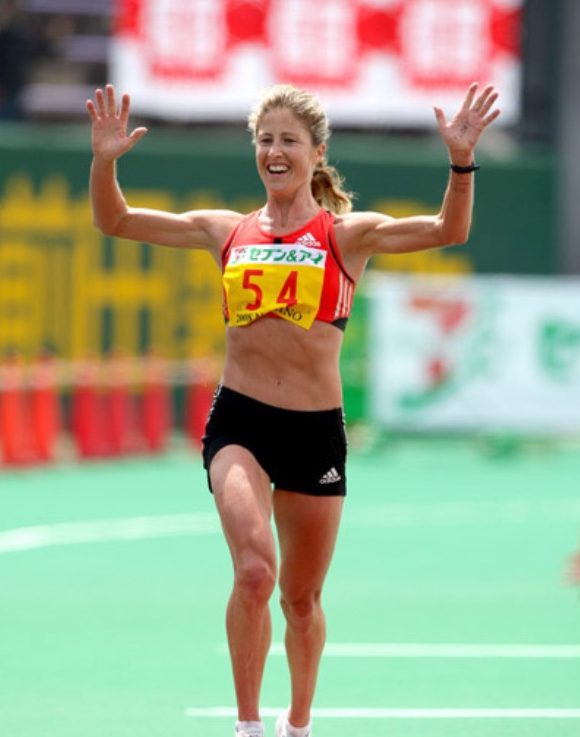
About the Author: Kate Smyth is a Sports naturopath, nutritionist and female-centric running coach. She is the founder of the Athlete Sanctuary- a holistic healthcare clinic for athletes of all levels and sporting codes. Kate has a thirst for knowledge with two bachelor’s and a master’s degree under her belt. She has been involved in sports for many decades and competed for Australia in the Commonwealth Games and Olympic Games marathons with a personal best time of 2 hours 28 minutes. For more information visit our website.
References
1. Armstrong, S. L., & McVeigh, D. (2019). A systematic review of athletes’ experiences with self-talk. Frontiers in Psychology, 10, 1518.
2. Fenton, G., McPherson, A., & Kinnafick, F. (2019). Qualitative inquiry into the lived experiences and coping strategies of female athletes with eating disorders. Psychology of Sport and Exercise, 42, 100-108.
3. Gulliver, A., Griffiths, K. M., & Christensen, H. (2012). Perceived barriers and facilitators to mental health help-seeking in young people: A systematic review. BMC Psychiatry, 12.
4. Pargman, D., & Wiese-Bjornstal, D. M. (2003). Examining links between emotional states and physical activity among individuals with high physical activity levels. Journal of Applied Sport Psychology, 15(4), 300-317.
5. Melrose S. Seasonal Affective Disorder(2015): An Overview of Assessment and Treatment Approaches. Depress Res Treat. doi: 10.1155/2015/178564.
6. Murray, G. (2004). How common is seasonal affective disorder in temperate Australia? A comparison of BDI and SPAQ estimates. Journal of affective disorders, 81(1), 23-28.
7. Mayoclinic: SAD Symptoms and Caused
8. Psycom: Seasonal Depression
9. Way Ahead: SAD
10. Health Direct: SAD