Vegetarian and vegan athletes are at greater risk of anaemia due to reduced intake of animal products containing iron and B12.
It is important to remember there are two different forms of dietary iron.
Heme iron is found in animal meats such as liver, lamb, beef and kangaroo.
Non-heme iron is derived from plant sources such as legumes, dried fruits, nuts and leafy green vegetables, tofu and eggs.
Heme- iron is the more readily absorbed form of iron. Eggs and many plant foods also contain non-heme iron, but have reduced bio-availability compared to meat sources. Vegetarians and non-meat eaters need to be mindful to consume adequate amounts of non-heme iron along with foods that enhance iron absorption
The key to maintaining iron adequacy is to consume non- heme rich foods at every meal and load your diet with healthy wholefood plant sources that are packed in all the co-factors such as vitamin C, bioflavonoids and folate. These co-factors help extract and absorb iron at every opportunity throughout the day. Avoidance of foods that contain nutrients which inhibit iron absorption is even more important for vegetarians and vegans as they have less room to move.
Iron absorption will be decreased by up to 60% if you have tannin-containing drinks or foods such as teas, coffee, red wine, peppermint tea and chocolate within two hours of an iron-rich meal.
This doesn’t mean you have to go completely without your treats, it just means you are best to have them in moderate amounts and avoid having them at the same time.
Mother nature also provides a reminder of blood-building foods in red-coloured plant foods. Beetroot, rhubarb, berries, dried figs and plums all contain iron.
Vegetarian Meal Plan
Breakfast: scrambled eggs (2), ½ cup spinach (cooked) plus 1 grilled tomato and 2 slices wholemeal toast with butter. Include a large glass of freshly squeezed orange, parsley and kiwi juice.
Morning tea: 50g dried apricots plus 50g activated almonds
Lunch: cooked lentils (1 cup) with 1/2 cup quinoa, ½ cup fresh tomato added at last minute, 1 cup salad greens including capsicum, grated carrot, shredded cabbage and 1 tablespoon of tahini dressing
Afternoon tea: 1 bowl of Beet Berry smoothie bowl with coconut and cereal topping. For other great snack ideas see our Healthy Snacks for Busy Athletes or Iron Rich Snacks e-recipe books.
Dinner: 1 cup grilled tempeh (fermented tofu) with 1/2 cup steamed broccoli, 1/2 cup baked pumpkin and 1 beetroot with lemon, parsley and olive oil dressing
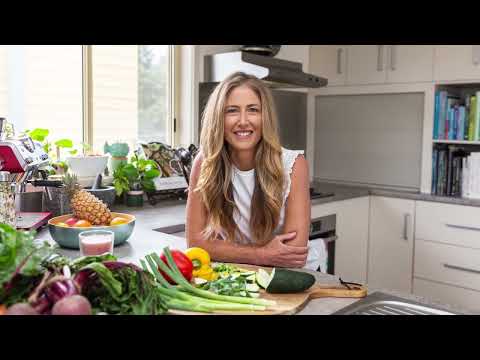
Kate Smyth provides sports naturopathy and nutrition advice and is a female-centric running coach. She founded the Athlete Sanctuary- a holistic healthcare clinic for athletes of all levels and sporting codes. She has been involved in sports for many decades and competed for Australia in the Commonwealth Games and Olympic Games marathons.