Green tea over coffee

Why choose green tea?


Green tea is just one of several teas beneficial for athletes. Packed in antioxidants, green tea is considered to have the highest polyphenol and therapeutic effects because it remains unoxidised during processing, where-as the other tea leaves are oxidised. Green, black and oolong tea is produced from the same plant Cameliia sinensis but their taste, constituents and colour vary depending on how the leaves are processed.

Green tea is packed with antibacterial agents and the phytonutrients also help counteract inflammation. Regular intake improves tendon, cartilage and collagen health in athletes.

Types of green tea

There are lots of different kinds of green tea depending on growing and harvesting methods. Our favourite is a Japanese tea called Genmaicha "brown rice tea" which is blended with roasted popped brown rice. The sugar and starch from the rice cause the tea to have a warm, full, nutty flavour without bitterness. It is considered easy to drink and can soothe an upset stomach.

Other popular options include the Japanese varieties of Sencha and Jasmine (which is often mixed with white and black tea).

Better than coffee

Green tea is an excellent substitute for coffee drinkers. Although the average cup of pure green tea usually contains around 25 milligrams of caffeine, this is considered to be a low amount of caffeine when compared to around 100-180 milligrams in a typical coffee.

So often athletes get a false sense of energy when they are pumped full of caffeine. Over the long term, this can set them up for adrenal fatigue, over-training issues, nutrient depletion, dehydration and chronic injuries.  Green tea provides a great “pick me up” without flogging the adrenal glands. To further reduce your daily caffeine load, and avoid sleepless nights, you may like to consider these tips:

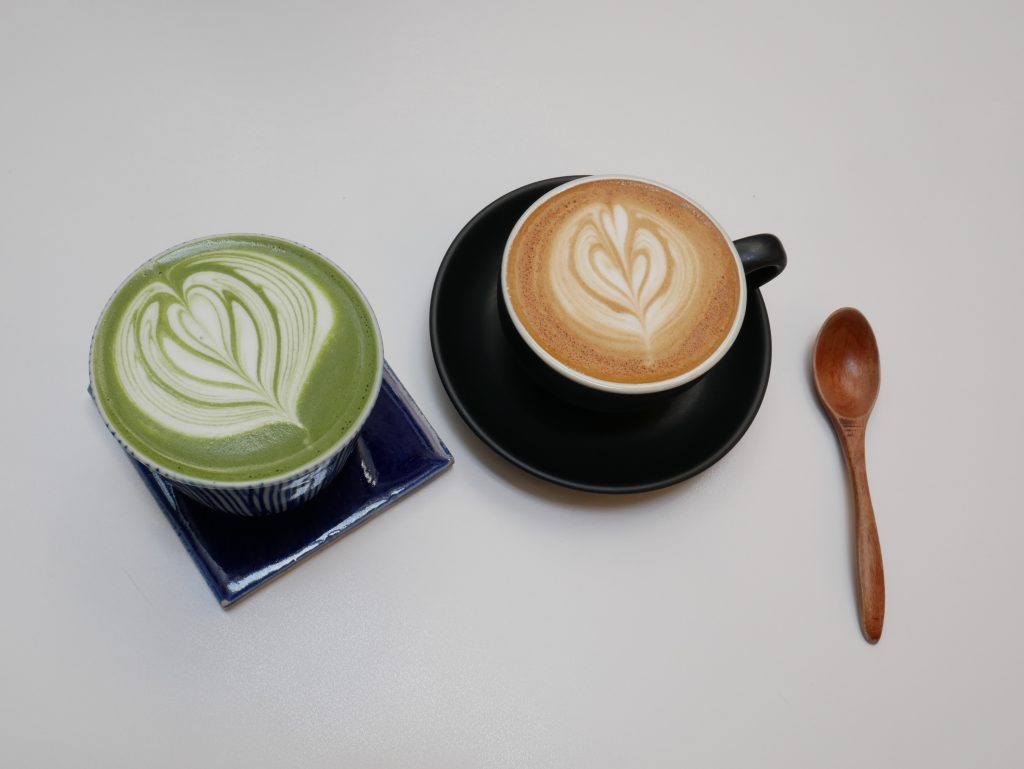
A lush green matcha latte with latte art on a blue saucer, alongside a classic cappuccino with latte.

Get the most out of green tea

  1. Avoid consuming green tea or other caffeine-containing foods or beverages after lunchtime

  2. Opt for low-caffeine teas or other herbal teas like Rooibos tea.

  3. Drink blends. A blended tea such as a 50-50 blend of lemongrass or mint and green tea usually contains about half the caffeine of its unblended counterpart.

  4. Brew tea correctly. Many people use boiling water to brew tea for more than three minutes. This increases the level of caffeine in your cup. Instead, brew with simmering water for one-and-a-half minutes to three minutes.

  5. Reuse the original tea leaves for additional cups of tea that will taste the same but contain less caffeine.

  6. Drink whole-leaf tea instead of tea bags. Teabags have more caffeine than loose-leaf tea (usually).

  7. Avoid powdered teas high in caffeine. Matcha is one tea to avoid if you are trying to reduce caffeine as it usually comes in a concentrated form and is made from powdered green leaves instead of an infusion of the leaf. Therefore, Matcha has much higher levels of caffeine than other green teas.
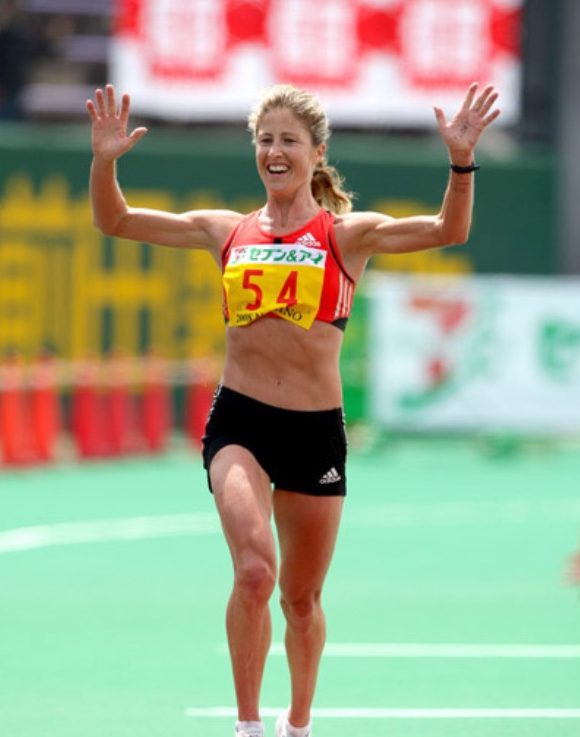
Photo of Kate Smyth running across the line as she finishes the Nagano marathon in 2008.

About the Author

Kate Smyth is a sports naturopath, nutritionist and female-centric running coach. She is the founder of the Athlete Sanctuary - a holistic healthcare clinic for athletes of all levels and sporting codes.

Kate has a thirst for knowledge, with two bachelor's and a master’s degree under her belt. She has been involved in sports for many decades and competed for Australia in the Commonwealth Games and Olympic Games marathons with a personal best time of 2 hours 28 minutes.

Photo of Kate Smyth running across the line as she finishes the Nagano marathon in 2008.

About the Author

Kate Smyth is a sports naturopath, nutritionist and female-centric running coach. She is the founder of the Athlete Sanctuary - a holistic healthcare clinic for athletes of all levels and sporting codes.

Kate has a thirst for knowledge, with two bachelor's and a master’s degree under her belt. She has been involved in sports for many decades and competed for Australia in the Commonwealth Games and Olympic Games marathons with a personal best time of 2 hours 28 minutes.

About Kate Smyth

From Olympian to Practitioner & Coach

Kate’s path into high‑performance sport didn’t follow the traditional script. A late bloomer and recreational runner, she found her spark during the Sydney 2000 Olympics, watching her idols surge into the stadium. That moment ignited a commitment that would quietly and profoundly reshape the course of her life.

Eight years later, she realised her own Olympic dream, representing Australia in the women’s marathon at the 2008 Beijing Olympic Games.

Her running career spanned the Commonwealth Games, multiple Australian representative teams, and national‑level competition across cross‑country, track, and road racing. With a marathon personal best of 2:28, Kate was one of Australia’s all time fastest female marathoners.

But her journey was far from linear. Significant health challenges forced her to question conventional medicine, sports nutrition and traditional training models. What felt like setbacks at the time became turning points, pushing her to explore deeper, listen more closely to her body, and ultimately develop a more sustainable, female‑centred approach to performance.

These experiences now form the foundation of the work she shares with other women: how to train smarter, nourish deeply, honour physiology, and build resilience from the inside out.

She holds three degrees including a Masters and Bachelor of Health Science (Naturopathy). Kate is an accredited athletics coach with Athletics Australia and a member of NHAA.

Kate’s expertise is widely recognised, leading to regular invitations to speak on podcasts, at seminars, within industry education forums, and across corporate and women’s health initiatives.
Kate Smyth has been featured on

Not quite sure exactly what you need right now. Let's chat