
Let's be honest, copper is not exactly the mineral everyone is talking about. But maybe it should be. While iron, magnesium and zinc tend to hog the spotlight, copper is quietly doing some seriously important work in the background. For active women especially, getting enough of this trace mineral can make a real difference to how you feel, move and recover. Here are the five benefits worth knowing about.
This one is a game-changer. Copper produces an enzyme called ceruloplasmin, which converts iron into the form your body can transport through the bloodstream and use to make red blood cells.1 No copper, no iron transport, it really is that simple.
So if you have been diligently supplementing iron but your ferritin is still stubbornly low, copper could be the missing piece. Up to 35% of active women experience some form of iron deficiency,2 and copper-iron dysregulation may be quietly contributing to many of those cases. Worth checking!
Feeling flat even when you are sleeping well and eating right? Copper plays a direct role in ATP production, the energy your mitochondria generate to fuel every workout and every busy day.3 Without enough copper, your cellular energy engine simply does not run as efficiently as it should.
Consider it like a mechanic keeping your engine tuned. You will not necessarily feel copper working, but you will notice when it is missing.
Here is the link that often gets overlooked. Copper influences the balance between oestrogen and progesterone, and high oestrogen levels. Elevated copper in the body can occur from the oral contraceptive pill, perimenopause fluctuations or oestrogen dominance.4 Conversely, low copper has been associated with thyroid disruption and poor adrenal resilience.
For active women navigating hormonal shifts or managing symptoms like mood changes, irregular cycles or low libido, getting copper tested alongside a full hormone panel is a smart move.
If you run, lift or train regularly, your tendons, ligaments and joints take a beating. Copper activates an enzyme called lysyl oxidase, which supports the structural proteins responsible for building and maintaining strong collagen, elastin and wound healing.3
Low copper means weaker connective tissue, which can show up as niggling injuries, poor joint stability or slower recovery from training loads. Think of copper as your body's internal scaffolding crew.
Hard training creates oxidative stress — essentially, free radicals that damage cells and slow recovery. Copper activates superoxide dismutase (SOD), one of the body's most powerful antioxidant enzymes, which neutralises these free radicals before they cause lasting damage.5

Research in athletes has shown that trace element status, including copper, is directly associated with oxidative stress markers and recovery capacity.5 Less oxidative damage means less soreness, faster repair and better adaptation to training over time.
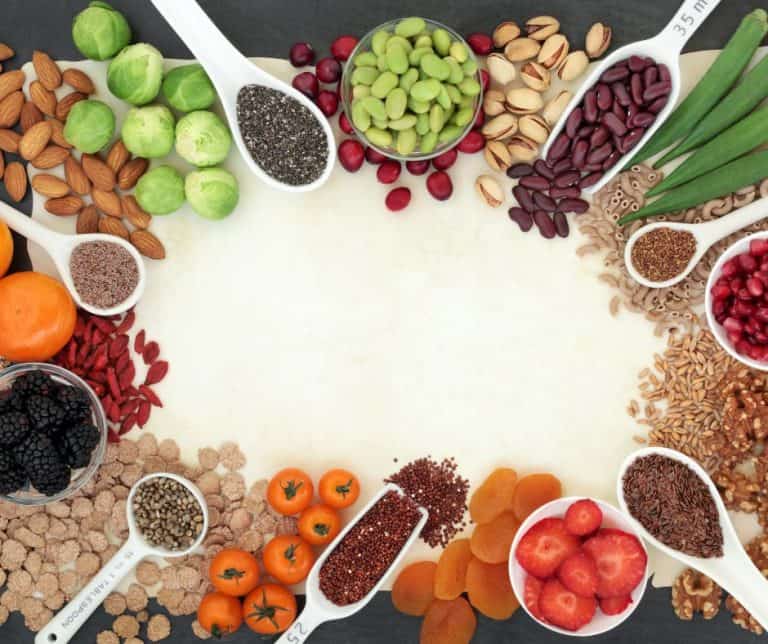
The Australian RDI for copper in adult women is 1.2 mg/day,6 which most women can meet through a varied whole-food diet. Top sources include oysters, beef liver, cashews, sunflower seeds, dark chocolate and lentils. Our apricot bliss balls are a great copper rich snack!
If you are taking high-dose zinc (which competes with copper for absorption), supplementing iron without improvement, or on the pill, it is worth asking your practitioner to check your serum copper and ceruloplasmin levels alongside your next blood test.1,4
Small mineral, big impact. Do not overlook it.