PFAS Health Risks: Symptoms to look for

PFAS exposure in Australia poses serious health risks including immune disruption, hormonal imbalance, and increased cancer risk. Athletes and health-conscious consumers can reduce exposure by switching to PFAS-free cookware, clothing, and cosmetics.

Per and polyfluoroalkyl substances (PFAS) are synthetic chemicals used to make products resistant to water, oil, and heat. Known as “forever chemicals” due to their persistence in the environment and human body, PFAS are increasingly linked to adverse health outcomes. In Australia, PFAS contamination has been detected in higher levels near defence sites, airports, and industrial zones, raising concern for communities and health-focused individuals.

PFAS Exposure and Health Risks

PFAS accumulate in the body over time and contribute to a range of health effects. For athletes and active individuals, these risks are particularly concerning due to the potential impact on immune function, hormone regulation, and cardiovascular health.

  • Immune system suppression: PFAS exposure may reduce antibody response to vaccines and impair immune resilience (Bline et al., 2024).
  • Hormonal disruption: Thyroid function and reproductive hormones, reducing energy levels, metabolism, and fertility (Teymourian et al., 2021). Evidence points towards delayed menstruation in girls, and earlier menopause.
  • Neurotoxicity: Cognitive and behavioural changes, potentially affecting focus and recovery (Nannaware et al., 2024).
  • Cardiovascular effects: High cholesterol, blood pressure, and risk of heart disease (Wen et al., 2023).
  • Cancer risk:  Kidney and testicular cancers (Teymourian et al., 2021).
  • Kidney issues: Higher levels of uric acid and reduced kidney function

Common Sources of PFAS in Daily Life

  • Non-stick cookware such as Teflon pans
  • Waterproof and sweat-resistant activewear and outdoor gear
  • Stain-resistant carpets and upholstery
  • Cosmetics including foundation, mascara, and lipstick
  • Food packaging like grease-resistant wrappers e.g protein bar wrappers
  • Cleaning products and firefighting foams
  • Contaminated water from groundwater, bore water and seafood produced in contaminated water

Safer Alternatives to PFAS-Containing Products

Here are practical recommendations for switching to PFAS-free alternatives:

  • Cookware: Choose stainless steel, cast iron, or ceramic-coated pans instead of non-stick varieties.
  • Athletic wear: Opt for natural fibers like organic cotton, bamboo, or PFAS-free synthetics. Brands now label PFAS-free gear.
  • Cosmetics: Use clean beauty products certified PFAS-free. Check ingredient lists for fluorinated compounds.
  • Food packaging: Store food in glass or stainless steel containers. Avoid microwave popcorn bags and fast food wrappers.
  • Cleaning products: Use eco-certified cleaners without fluorinated surfactants.

At present the Australian Government does not support testing of PFAS exposure through medicare. PFAS pose a significant health risk, especially for athletes and wellness-focused individuals. By understanding exposure sources and making informed swaps, you can reduce your PFAS burden and protect long-term health.  

Get in touch to discuss your current levels of PFAS and other toxin exposure. 

Bline, A. P., DeWitt, J. C., Kwiatkowski, C. F., Pelch, K. E., Reade, A., & Varshavsky, J. R. (2024). Public health risks of PFAS-related immunotoxicity are real. Current Environmental Health Reports, 11, 118–127.

Liu, Z., Liao, M., Wang, L., & Zhuang, S. (2024). Recent advancements in PFAS adsorptive removal using MOFs and COFs. Reviews in Environmental Science and Bio/Technology, 24, 63–95.

Nannaware, M., Mayilswamy, N., & Kandasubramanian, B. (2024). PFAS: exploration of neurotoxicity and environmental impact. Environmental Science and Pollution Research, 31, 12815–12831.

Teymourian, T., Teymoorian, T., Kowsari, E., & Ramakrishna, S. (2021). A review of emerging PFAS contaminants: sources, fate, health risks, and sorbents for PFAS treatment. Research on Chemical Intermediates, 47, 4879–4914.

Wen, Z. J., Wei, Y. J., Zhang, Y. F., & Zhang, Y. F. (2023). A review of cardiovascular effects and mechanisms of legacy and emerging PFAS. Archives of Toxicology, 97, 1195–1245.


Photo of Kate Smyth running across the line as she finishes the Nagano marathon in 2008.

About the Author

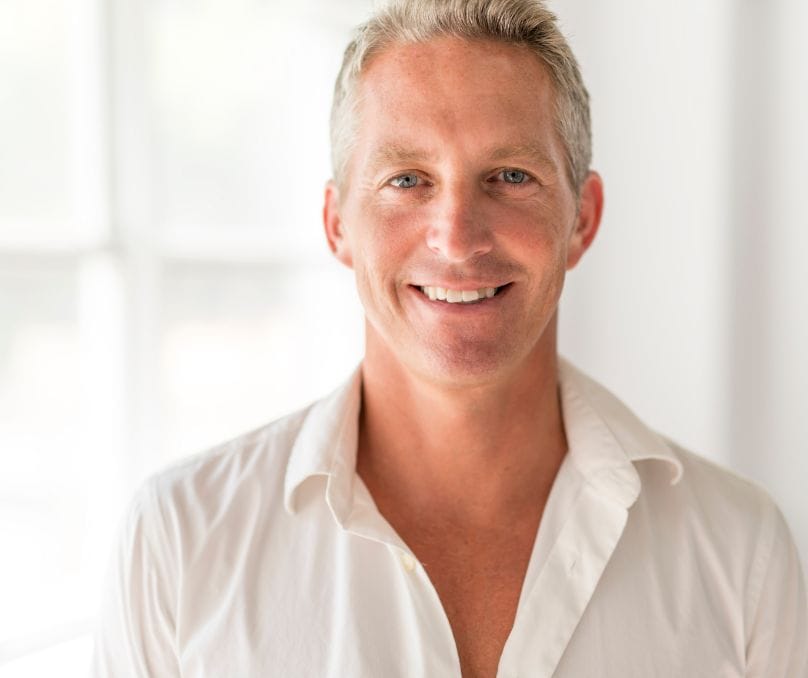
Kate Smyth is a sports naturopath, nutritionist and female-centric running coach. She is the founder of the Athlete Sanctuary - a holistic healthcare clinic for athletes of all levels and sporting codes.

Kate has a thirst for knowledge, with two bachelor's and a master’s degree under her belt. She has been involved in sports for many decades and competed for Australia in the Commonwealth Games and Olympic Games marathons with a personal best time of 2 hours 28 minutes.

About Kate Smyth

From Olympian to Practitioner & Coach

Kate’s path into high‑performance sport didn’t follow the traditional script. A late bloomer and recreational runner, she found her spark during the Sydney 2000 Olympics, watching her idols surge into the stadium. That moment ignited a commitment that would quietly and profoundly reshape the course of her life.

Eight years later, she realised her own Olympic dream, representing Australia in the women’s marathon at the 2008 Beijing Olympic Games.

Her running career spanned the Commonwealth Games, multiple Australian representative teams, and national‑level competition across cross‑country, track, and road racing. With a marathon personal best of 2:28, Kate was one of Australia’s all time fastest female marathoners.

But her journey was far from linear. Significant health challenges forced her to question conventional medicine, sports nutrition and traditional training models. What felt like setbacks at the time became turning points, pushing her to explore deeper, listen more closely to her body, and ultimately develop a more sustainable, female‑centred approach to performance.

These experiences now form the foundation of the work she shares with other women: how to train smarter, nourish deeply, honour physiology, and build resilience from the inside out.

She holds three degrees including a Masters and Bachelor of Health Science (Naturopathy). Kate is an accredited athletics coach with Athletics Australia and a member of NHAA.

Kate’s expertise is widely recognised, leading to regular invitations to speak on podcasts, at seminars, within industry education forums, and across corporate and women’s health initiatives.

Kate Smyth has been featured on

Not quite sure exactly what you need right now. Let's chat