Kombucha Terminology

A scoby is a slimy looking thing that is referred to as “the mother” of the kombucha. It is like a fermentation plug of all the good bacteria. Obtain one from a kombucha buddy or online.

The starter liquid is a bacteria potion to kick start your kombucha. It is often better to obtain the start liquid from a homebrew along with the scoby, rather than a store bought brew for a greater bacteria variety and taste.

Ingredients

  • 8 tea bags (choose either black, green, white tea or Rooibos red tea)
  • 1 scoby
  • 1 cup cane sugar or table sugar
  • 1-2 cups starter liquid
  • 4 cups water

Add

  • 4 slices ginger and the juice of a whole lemon
  • or herbs
  • or 1/4 cup fruit syrups

Method

Boil the water. Steep the tea for 10 minutes and remove the tea bags. Stir in the sugar until dissolved.

Transfer the tea to your container (I use a glass wine vat) and fill almost to the top. Cool to room temperature.

Then place your scoby (symbiotic cultures of bacteria) on top and pour in the starter liquid.

Cover container with a breathable cloth like muslin and secure with a rubber band.

Ideally, you will keep your kombucha in a place with a steady temperature, ideally between 23 and 29 degrees C, to grow good bacteria. Avoid placing it in direct sunlight.

The brew can take anywhere between 7 and 20 days to ferment. The liquid may turn cloudy and bubble around the top, and the scoby will grow and multiply. Ferment until you like the taste. Push the scoby aside for a taste test, but remember that the sweeter liquid will be lower in the bottle.

Remove the original scoby and the secondary “baby scoby” on top. Keep one scoby and give the other to a kombucha buddy. Pour out at least a cup of starter liquid from the top of your brew bottle and place it in a clean glass jar, along with a scoby, for the next brew.

Handy Tip:

I use a large 4 litre glass wine vat to brew my kombucha in and then pour it into smaller 1 litre glass bottles purchased from the $2 shop once brewed.

Options:
Customise your own flavour by adding ginger and lemon, herbs or fruit syrups to taste.

If you hear a pop opening a bottle, it is a good sign you have a well-fermented brew! Enjoy


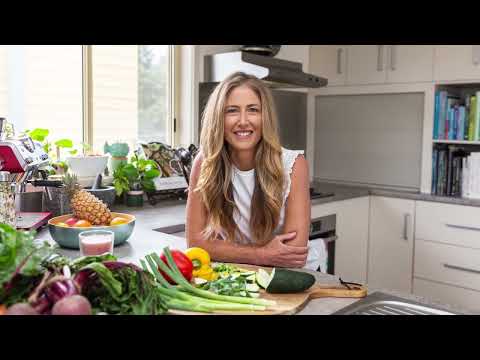
About Kate Smyth

From Olympian to Practitioner & Coach

Kate’s path into high‑performance sport didn’t follow the traditional script. A late bloomer and recreational runner, she found her spark during the Sydney 2000 Olympics, watching her idols surge into the stadium. That moment ignited a commitment that would quietly and profoundly reshape the course of her life.

Eight years later, she realised her own Olympic dream, representing Australia in the women’s marathon at the 2008 Beijing Olympic Games.

Her running career spanned the Commonwealth Games, multiple Australian representative teams, and national‑level competition across cross‑country, track, and road racing. With a marathon personal best of 2:28, Kate was one of Australia’s all time fastest female marathoners.

But her journey was far from linear. Significant health challenges forced her to question conventional medicine, sports nutrition and traditional training models. What felt like setbacks at the time became turning points, pushing her to explore deeper, listen more closely to her body, and ultimately develop a more sustainable, female‑centred approach to performance.

These experiences now form the foundation of the work she shares with other women: how to train smarter, nourish deeply, honour physiology, and build resilience from the inside out.

She holds three degrees including a Masters and Bachelor of Health Science (Naturopathy). Kate is an accredited athletics coach with Athletics Australia and a member of NHAA.

Kate’s expertise is widely recognised, leading to regular invitations to speak on podcasts, at seminars, within industry education forums, and across corporate and women’s health initiatives.

Kate Smyth has been featured on

Not quite sure exactly what you need right now. Let's chat